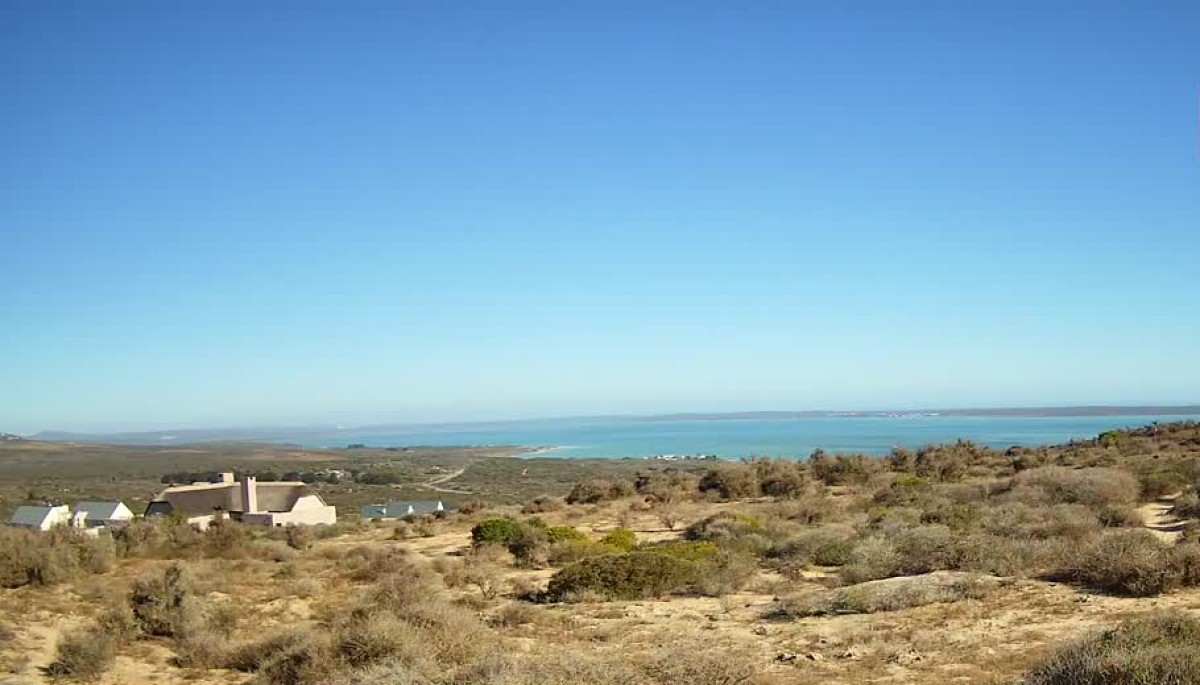
If you have been watching the live cam lately, you may have noticed something beautifully familiar — the scrublands and green belt stretching out beyond Langebaan Lagoon have transformed almost overnight. What was dry, golden fynbos just weeks ago is now a vivid sweep of lush, deep green. Autumn has arrived on the West Coast, and the landscape is drinking it all in.
Why the West Coast Turns Green in Autumn
Unlike most of South Africa, the Langebaan area falls within the winter rainfall region of the Western Cape. While the rest of the country bakes and dries through winter, this corner of the coast does the opposite — it comes alive. From May onward, the first cool fronts sweep in off the Atlantic, bringing the long-awaited rains that coax dormant plants back into growth.
The fynbos and coastal scrub that surrounds the lagoon has evolved perfectly for this rhythm. Through the hot, dry summer months — November to April — the vegetation retreats, browns, and conserves. The moment the autumn rains arrive, the root systems respond with remarkable speed, pushing out fresh shoots and leaves that transform the hillsides within just a few short days.
What You Can See from the Cam
Right now, through the SharkBayCam lens, the green belt framing the lagoon has never looked more vibrant. The ridgeline and slopes visible beyond the water are flush with colour — a rich, textured green that shifts with the quality of light throughout the day. Morning mist softens the scene into watercolour tones; afternoon sun sharpens the contrast between the emerald scrub and the deep blues of the lagoon below.
Keep an eye on the vegetation over the coming weeks. As the rains continue, the greenery will deepen and spread. Wildflowers will follow, dotting the hillsides with bursts of yellow, white, and pink. By June and July — peak winter — the West Coast landscape reaches its most spectacular, which is why the Langebaan area draws so many visitors during the cooler months.
Wildlife Moves with the Season
The change of season does not just affect the plants. The animals around the lagoon shift their behaviour too. Greater flamingos, which are a familiar sight at Langebaan year-round, often concentrate along the sheltered shallows during the cooler months. Wading birds and shorebirds take advantage of the calmer, clearer water conditions, making autumn and winter one of the best times for birdwatching from the shore.
On land, the fresh green growth brings out tortoises and lizards foraging in the low fynbos, and the damp air draws out the frogs that call from hidden pools after every rain. The mongoose families that live in the scrub around the lagoon edge seem more active too as temperatures drop to something comfortable.
Kiteboarding Season Winds Down — But the Lagoon Stays Beautiful
Autumn also signals the end of the prime kiteboarding season at Langebaan. The strong, reliable summer southeasters give way to more variable winds and the occasional winter northwester. The lagoon quietens down, the kite schools pack away their gear, and a different, more peaceful rhythm settles over the water.
For visitors who prefer the lagoon without the summer crowds, this is actually a wonderful time to visit. The water remains calm, the light is extraordinary — low, golden, and long — and the surrounding landscape is at its greenest and most photogenic. Pack a warm layer and a pair of binoculars.
Watching the Change in Real Time
One of the quiet joys of the SharkBayCam is being able to watch exactly this kind of transformation play out over days and weeks. If you check in regularly, you can track the greening in real time — noticing the subtle daily changes in the vegetation, the shift in light quality, the low clouds that roll in off the ocean ahead of a front.
The lagoon is the same water it always is, but the world around it is telling a new story. Pull up the live cam, make yourself a cup of something warm, and watch the West Coast settle into its most beautiful season.